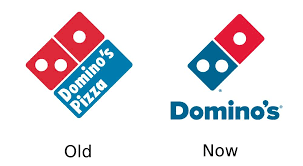
As a business owner, I get how crucial it is to have a solid brand that feels right. But here’s the deal: brands aren’t set in stone. They need to adapt and morph just like our lives do. Sure, a fresh logo or a new color scheme can give you a boost, but a full-blown rebranding goes way deeper. It’s all about redefining how you vibe with your audience and share your story.
I see rebranding as a chance to get your business’s identity in sync with where you’re headed. In this post, I’m going to break down when it’s time to consider a rebrand, share some examples from brands that got it right, and outline our rebranding practices.
So, if you’re thinking about a brand revamp to level up your business, stick around!
When Is It Time to Rethink Your Brand?
Rebranding isn’t something you do on a whim; it’s a calculated move that usually comes from big changes in your biz or new insights about your market. Here are some signs that it might be time to hit the refresh button on your brand:
Your Brand Feels Stale or Limiting
Your brand may have been on point when you kicked things off, but as you’ve grown, it might now feel cramped or dated. Brands can be like those jeans you loved in high school—they fit great until you hit adulthood.
You’ve Got a Better Handle on Your Audience
As time rolls on, you’ve probably figured out more about who you’re serving and what they really want. A rebrand can help you connect more effectively with your audience by aligning your visuals and messaging with their needs.
Your Offerings Have Expanded
If you’ve added new products or services, your brand might not vibe with what you’re actually delivering. This is especially true if you’ve branched out into new markets or shifted your focus.
Your Competitors Are Leaving You in the Dust
To stay relevant, you’ve got to keep your brand fresh. If your competitors are stepping up their game while you’re still rocking the same old look, a rebrand can help you reclaim your spot in the market.
What a Successful Brand Makeover Can Do
A solid rebrand can breathe new life into your image, reintroduce you to your audience, and even change how people feel about your brand for the better.
Let’s take a look at some brands that nailed their rebranding efforts:
Our Game Plan for an Effective Rebranding
At White Wave Media Works, we see rebranding as a chance to align your business with its goals—not just a surface-level facelift. Here’s how we tackle it:
Research and Insight Gathering We kick things off with some deep dives into your current market, target audience, and competition. This phase helps us uncover valuable insights that inform our branding choices and sets the stage for everything that follows.
Crafting Your Brand’s Core Story Every brand has a unique tale to tell. We help you articulate that narrative, connecting your visuals and messaging to the heart of your brand. This story highlights what makes you stand out and why your audience should care.
Visual Identity Consistency A brand refresh isn’t just about picking new colors or logos—it’s about creating a cohesive look that captures your brand’s essence. We design a visual identity that reflects who you are across all touchpoints.
Key Messaging Development We create messaging that resonates with your audience on an emotional level. This ensures you communicate your brand’s value in a way that’s impactful, consistent, and uniquely you.
Strategic Plan for Launch Finally, we put together a game plan for launching your rebrand. This roadmap includes everything from the launch steps to guidelines for keeping things cohesive across all platforms.
Rebranding Doesn’t Have to Mean Starting Over
A lot of folks think rebranding means scrapping everything, but that’s not always the case. Many brands find that smaller, focused updates can modernize their look without losing their core identity.
These examples show that a rebrand doesn’t need to be a massive overhaul. Sometimes, a little refresh is all you need to keep your brand feeling fresh and connected.
The Long-Term Benefits of a Smart Rebrand
A well-thought-out rebrand can do more than just spruce things up; it can impact how you connect with your customers, your standing in the market, and even your internal culture. Here’s what to expect from a successful rebrand:
Stronger Customer Engagement: When your brand resonates visually and emotionally, people are more likely to engage with you.
Improved Market Position: A rebrand can help you carve out a clearer, more competitive spot in the market.
Better Team Alignment: A brand that feels genuine can inspire your team to embody its values and become effective ambassadors.
Is It Time to Give Your Brand a Makeover?
Rebranding is a big step, so it’s important to think it through. At White Wave Media Works, we’ve found that for many businesses, a rebrand is the key to staying relevant, growing, and making a real impact.
If your brand isn’t reflecting who you are anymore or if your audience has shifted, it might be time to consider a rebrand.
When you’re ready to see what a rebrand can do for your business, reach out. I am here to help you craft a brand that looks awesome and connects deeply with your audience and your company’s values.
In the world of social media marketing, understanding your audience is crucial for maximizing your advertising return on investment (ROI). Knowing who your audience is, what they value, and how they behave can significantly enhance the effectiveness of your campaigns.
The Importance of Audience Insights
To drive successful advertising strategies, gather key insights about your audience. This includes demographics, interests, and online behaviors. Utilize analytics tools offered by social media platforms to collect data that can inform your decisions.
Demographics: Analyze age, gender, location, and other relevant factors.
Interests: Identify hobbies, preferences, and trends that resonate with your audience.
Behaviors: Assess how users interact with content across various platforms.
Tailoring Your Content
Once you have a clear understanding of your audience, tailor your content to meet their needs and preferences. Customized content is more engaging and can lead to higher conversion rates.
Create Relevant Content: Design posts that address your audience’s pain points and interests.
Use Appropriate Tone: Match the tone of your messaging to align with your audience’s expectations.
Incorporate Visual Elements: Utilize images, videos, and infographics to capture attention and convey messages effectively.
Testing and Optimization
Continuous testing and optimization are vital for maximizing ROI. Regularly assess the performance of your ads and make adjustments based on audience feedback and behavior.
A/B Testing: Experiment with different ad formats, headlines, and visuals to see what resonates best.
Monitor Engagement: Track likes, shares, and comments to gauge audience interaction.
Adjust Strategies: Be prepared to pivot your approach based on the data collected.
Understanding your audience is a game-changer in social media marketing. By gathering insights, tailoring content, and continuously optimizing your strategies, you can enhance your advertising efforts and achieve a higher ROI. Embrace the power of audience understanding to elevate your marketing success!
In today’s dynamic business environment, a well-structured marketing calendar isn’t just a planning tool—it’s the backbone of successful brand engagement. As we approach 2025, the need for strategic, data-driven marketing planning has never been more critical.
Why Traditional Calendar Planning Is Dead
“The days of simply marking major holidays and planning seasonal sales are over,” says Sarah Chen, CMO of Digital Pulse Marketing. “Today’s marketing calendar must be a living document that adapts to real-time data while maintaining strategic consistency.”
The Three-Tier Approach to Calendar Planning
Tier 1: Core Marketing Initiatives
Annual campaigns
Product launches
Major industry events
Quarterly review points
Tier 2: Engagement Opportunities
Social media campaigns
Content marketing schedule
Email marketing sequences
Influencer collaborations
Tier 3: Reactive Marketing Windows
Trending topics
Competitor analysis
Real-time engagement opportunities
Crisis management protocols
Success Story: Warby Parker’s Calendar Innovation
Warby Parker’s marketing team developed a hybrid calendar system that increased customer engagement by 47% in 2024. Their approach combined:
1. Predictable promotional events
2. Data-driven engagement windows
3. Flexible response periods
Key Elements of an Effective 2025 Marketing Calendar
1. Strategic Alignment
Business objectives
Budget allocation
Resource planning
Performance metrics
2. Content Mapping
Blog posts
Social media content
Email campaigns
Video content
Podcast episodes
3. Channel Integration
Cross-platform coordination
Message consistency
Audience segmentation
Tools and Resources
For effective calendar management, consider:
1. Project Management Platforms
Monday.com
Asana
Trello Marketing Calendar
2. Marketing Automation Tools
HubSpot
Marketo
Mailchimp Marketing Calendar
3. Analytics Integration
Google Analytics 4
Social media analytics
Email performance metrics
Building Your 2025 Calendar: Step-by-Step
1. Audit Your 2024 Performance
Review metrics
Identify successful campaigns
Analyze areas for improvement
2. Set Clear Objectives
Define KPIs
Establish budget parameters
Align with business goals
3. Create Content Pillars
Brand storytelling
Product promotion
Customer engagement
Thought leadership
4. Establish Review Points
Monthly performance reviews
Quarterly strategy assessments
Annual planning sessions
The Future of Marketing Calendars
As we move into 2025, expect to see:
AI-driven timing optimization
Real-time adjustment capabilities
Improved cross-channel integration
Enhanced personalization options
Expert Recommendations
“The most successful marketing calendars of 2025 will be those that balance structure with flexibility,” notes Mark Thompson, Director of Digital Strategy at Global Marketing Institute. “Plan for the predictable while maintaining agility for the unexpected.”
Creating an effective marketing calendar for 2025 requires a delicate balance between strategic planning and tactical flexibility. The most successful companies will be those that can maintain consistent brand messaging while adapting to changing market conditions and customer needs.
Remember: Your marketing calendar should be a living document that evolves with your business and responds to market dynamics. Regular reviews and adjustments are not just recommended—they’re essential for success in today’s fast-paced marketing environment.